
Vital Factors Hindering Industrial Development
Unfortunately, many factors are impacting the development of industrial businesses worldwide, hindering their growth and profits.
The first step to dealing with this is to become aware of the disadvantages in the industry.
Once you know these, you can consider what steps you can take to become an industry leader and make some progress.
This will enable you to become an authority in your industry and get ahead of your competitors.
Rather than sitting back and riding it out, or waiting to see what your competitors end up doing, you should take the lead and your business growth will skyrocket.
To help you increase your awareness and move past the industry challenges, here are some of the biggest factors hindering the industrial market.
1. Market Uncertainty and Volatility

The fluctuating marketing and economic downturns are having a huge impact on businesses in the industrial industry.
This is resulting in lowered demand and revenue.
As a business, you mustn’t let this control your profits.
In the face of market volatility and uncertainty, it’s crucial to reassess your current strategies—identifying strengths, weaknesses, and potential gaps.
Exploring resources like marketing strategies for ecommerce brands offers valuable insights for building resilient, growth-focused strategies with built-in adaptability.
When your business knows its strengths and can be flexible to quickly changing market conditions, you will start to see growth.
This may include diversifying your offerings and customer base.
2. Poor Quality Products and Suppliers

Many industrial businesses are cutting corners and lowering costs by using cheap suppliers and products.
However, this is only going to hinder your business in the long run, if it hasn’t already.
This is only going to make customers unhappy and ruin your reputation.
Instead, you need to ensure that you are doing your research and investing your money into higher-quality products and parts.
Choosing reputable parts such as Cummins engine parts is going to support your business much more as they are known for their dependability and efficiency.
This is going to positively reflect on your business and help you raise the bar.
3. Skills Shortages Hindering Industrial Development
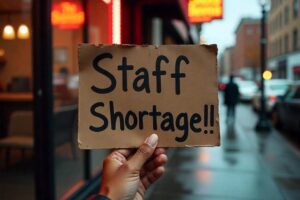
The growth and innovation of industrial businesses are failing due to the lack of skilled workers available in areas such as logistics and manufacturing.
This is creating a huge backlog and operational issues for businesses all over the world, that are not able to develop or deliver their business mission.
As a business, it is important that you control factors you are able to, by addressing the skills gap with a multi-pronged approach.
You can leverage technology to help with productivity and the automation of mundane tasks, as well as invest in education and training to attract more people to the industry and shape them into the good and skilled workers you need.
4. Infrastructural Deficiencies

Industrial growth heavily relies on robust infrastructure, including transportation networks, energy supply, water systems, and telecommunications.
When these systems are weak or outdated, it becomes difficult for industries to operate efficiently.
Delays in transport, power outages, and limited connectivity can all contribute to reduced productivity and increased operational costs.
In many developing regions, the lack of adequate infrastructure discourages both local and foreign investment.
Investors and industrialists are often hesitant to put resources into areas where access to essential services is unreliable or overly expensive.
This limits the potential for economic diversification and industrial clustering, which are essential for long-term growth.
Governments and stakeholders need to prioritise infrastructure development as a foundation for industrial success.
Public-private partnerships, targeted funding, and long-term planning can help create the necessary environment for industries to flourish.
Without this, even the most promising industrial initiatives may stall or collapse entirely.
See 18 Power Outage Safety Tips & Solutions For Small Businesses
5. Limited Access to Capital in Industrial Development

The ability to access capital is critical for businesses to scale, innovate, and remain competitive.
Unfortunately, many industrial firms, particularly small and medium-sized enterprises, struggle to secure financing.
Banks may impose stringent lending conditions, or interest rates may be prohibitively high, making it difficult to obtain the funds needed for expansion or equipment upgrades.
This financial gap stifles innovation and the adoption of modern technologies, which are vital for improving productivity and quality.
Entrepreneurs may be forced to rely on informal financing options or delay important investments, slowing down their potential growth.
As a result, industries remain stuck in low-value production cycles and cannot compete globally.
Policy reforms aimed at strengthening financial institutions and expanding access to affordable credit can play a crucial role in solving this issue.
Development banks, microfinance institutions, and government-backed loans can provide alternative funding paths.
Encouraging private sector investment and venture capital also helps bridge the funding divide.
Read about the advantages of loans in business
6. Bureaucratic Red Tape and Regulatory Barriers

Cumbersome administrative procedures and inefficient government regulations can create significant roadblocks to industrial development.
Businesses may face long delays in obtaining licenses, permits, and approvals, which can halt or slow down new projects.
These challenges often discourage innovation and discourage both local entrepreneurs and foreign investors.
Inconsistent or unclear regulatory frameworks can lead to confusion and misinterpretation, making it difficult for businesses to operate with confidence.
In some cases, corruption and lack of transparency can further exacerbate the problem, resulting in unfair competition and increased operational risks.
This makes it harder for businesses to plan effectively or invest in long-term strategies.
Governments must work towards creating more business-friendly environments by simplifying processes, improving governance, and enhancing regulatory efficiency.
Implementing digital solutions and streamlining bureaucracy can reduce administrative burdens and encourage more investment in industrial ventures.
7. Energy Shortages and High Utility Costs

Reliable and affordable energy is the backbone of industrial operations.
Frequent power outages, unstable energy supply, and high utility costs can severely impact production schedules, reduce efficiency, and increase operational costs.
These issues are especially problematic for energy-intensive industries like manufacturing, mining, and chemical processing.
Without consistent access to power, companies may be forced to rely on alternative sources such as generators, which are often expensive and less efficient.
This not only drives up costs but also affects the environment, further complicating sustainability efforts.
In extreme cases, entire production lines may shut down due to power issues, causing financial losses and reputational damage.
To combat this, governments and industry stakeholders must invest in energy infrastructure and explore renewable energy options.
Diversifying energy sources and improving grid reliability are key to supporting long-term industrial development.
Public-private partnerships in energy development can also help bridge gaps and ensure energy security.
Check out how to save money using renewable energy
8. Lack of Innovation and Research Investment

Industrial growth is closely tied to innovation and continuous improvement.
When industries fail to invest in research and development, they risk becoming stagnant and unable to compete with more technologically advanced counterparts.
Innovation drives product improvement, efficiency, and the discovery of new markets and methods.
Many industrial sectors in developing regions lack access to research institutions or the funding to explore new ideas.
This results in dependence on outdated technologies and practices that may no longer meet global standards.
Without innovation, industries struggle to differentiate themselves or respond to changing consumer demands.
Encouraging collaboration between academia, government, and the private sector can help bridge this innovation gap.
Establishing innovation hubs, providing tax incentives for research, and supporting knowledge transfer can stimulate creativity and drive industrial competitiveness.
9. Environmental Degradation and Compliance Costs
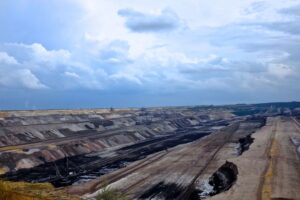
Environmental concerns have become increasingly central to industrial operations.
However, some industries struggle with the costs associated with meeting environmental regulations and implementing sustainable practices.
This can include investing in pollution control equipment, waste management systems, and eco-friendly technologies.
Non-compliance with environmental standards can result in heavy fines, legal action, and damage to a company’s public image.
On the other hand, trying to comply without adequate support can stretch financial resources thin, especially for smaller firms.
The result is often a delicate balance between operational costs and environmental responsibility.
Long-term industrial development must incorporate sustainable practices from the outset.
Policymakers can support this through clear guidelines, capacity-building programs, and financial incentives for companies that prioritise environmental compliance.
Embracing these convenient ways to go greener not only reduces harm but also creates new business opportunities in sustainable industries.
10. Disruptive Impact of Political Instability and Insecurity in Industrial Development

Political instability poses a serious threat to industrial development.
In regions where governance is unpredictable or conflict is ongoing, industries face disruptions, uncertain investment climates, and a higher risk of asset loss.
This instability discourages both domestic and international investors from committing to long-term projects.
Insecurity, such as vandalism, or attacks on industrial assets or theft, further compounds the risk. You need to read these 17 Ways To Protect Your Business From Theft and Burglary.
Businesses in volatile areas must spend more on security and insurance, raising operating costs and reducing competitiveness.
Supply chains may also be affected if transport routes become unsafe or inaccessible.
Stable political environments are essential for fostering investor confidence and supporting long-term planning.
Transparent governance, rule of law, and conflict resolution mechanisms can help create a secure environment where industries can thrive and contribute meaningfully to economic development.
11. Weak Industrial Linkages and Supply Chain Systems

A well-functioning supply chain is fundamental to industrial success.
Disruptions in the supply of raw materials, components, or distribution channels can halt production and lead to revenue losses.
Industries that depend on imported materials may face delays, tariffs, or logistical challenges that affect their timelines and profitability.
Inadequate local supply networks mean that companies often struggle to source reliable, quality materials within their region.
This lack of supplier diversity can increase vulnerability to global disruptions or price fluctuations.
When supply chains are weak, businesses are unable to maintain consistency or scale their operations effectively.
Strengthening local supply chains through investment, training, and collaboration can improve resilience and reduce dependency on external sources.
Building strong supplier relationships and embracing digital tools for logistics and tracking can also enhance transparency and efficiency in the supply chain.
You can also explore How to Reduce Your Supply Chain and Overhead Costs
12. Ineffective Leadership and Management Practices

Strong leadership is a cornerstone of industrial growth.
Poor management practices, lack of vision, and ineffective decision-making can hinder a company’s progress and lower employee morale.
Leadership that is reactive rather than proactive often misses out on growth opportunities or fails to respond to threats in a timely manner.
In many industrial organisations, management may lack the skills or training required to navigate complex global markets or introduce modern practices.
This results in inefficiencies, poor strategic planning, and an inability to inspire innovation or performance improvement.
Employees under such leadership may feel disengaged or undervalued.
Investing in leadership development and cultivating a culture of continuous improvement is essential.
Companies should encourage training programs, mentorship, and performance-based evaluation to ensure their leaders are equipped to drive industrial success.
You can share these keys to becoming an effective leader in the workplace with your staff to further equip them with leadership skills and qualities
A dynamic and informed management team can set the tone for a thriving industrial enterprise.
13. Limited Export Opportunities

Access to international markets is crucial for industries seeking to scale beyond domestic demand.
When export opportunities are limited due to trade barriers, poor logistics infrastructure, or non-compliance with international standards, businesses struggle to grow.
This restricts their ability to compete on a global level and tap into new revenue streams.
Smaller industries may face additional challenges such as language barriers, lack of market information, or unfamiliarity with regulatory requirements in other countries.
These obstacles can discourage export efforts or lead to costly mistakes that affect profitability and brand reputation.
Governments and trade organisations can support exporters by simplifying export procedures, providing training, and negotiating favourable trade agreements.
Creating export promotion agencies and facilitating international partnerships can also help industries break into global markets and accelerate their growth.
14. Technological Gaps in Industrial Development

The integration of modern technology into industrial processes is no longer optional—it is essential for efficiency and competitiveness.
However, many industries lag behind due to the high costs of new technology, lack of technical expertise, or resistance to change.
This puts them at a disadvantage compared to more technologically advanced competitors.
Outdated machinery, manual processes, and limited use of automation reduce productivity and increase error rates.
Companies that do not invest in technology find it harder to scale operations or maintain consistent quality standards.
They also risk being bypassed in global supply chains that prioritise efficiency and innovation.
Encouraging digital transformation through training, government support, and accessible funding options can make technological adoption more feasible.
When industries embrace innovation, they unlock new efficiencies, improve quality, and become more responsive to changing market conditions.
If you’re wondering which technologies to adopt in 2025, this guide on emerging business technologies offers actionable insights to help bridge the innovation gap and drive industrial transformation
15. Policy and Regulatory Barriers in Industrial Development

National industrial development requires strategic planning and sound policymaking.
Without clear and consistent industrial policies, businesses operate in an environment of uncertainty.
A lack of vision or alignment between government priorities and industry needs can stall progress and waste resources.
Industrial policy that fails to prioritise key sectors, infrastructure, education, and sustainability lacks the focus needed to drive meaningful development.
Moreover, the absence of coordination among government agencies and poor implementation can render even the best plans ineffective.
To address this, policymakers must work closely with industry leaders, academic experts, and economic planners to develop forward-looking industrial strategies.
These plans should be inclusive, adaptive, and rooted in data.
With thoughtful policy and strategic planning, countries can build vibrant industrial sectors that contribute significantly to economic prosperity.
Conclusion
The industrial business plays an important role all over the world, but it is suffering.
If you own or manage an industrial business, it is important you are aware of factors that are hindering the market and what you can do about it.
Consider which ones are relevant to you and take the appropriate action.