The Top 50 Spelling Mistakes in IELTS Writing
The IELTS writing test represents a crucial opportunity, a moment to express your ideas, aspirations, and capabilities on a worldwide platform.
Each sentence you craft serves as a stroke on the canvas of your future, but minor spelling errors can obscure your work of art.
Although these mistakes may seem trivial, they can significantly impact your band score and cloud the clarity of your thoughts.
However, there’s a pathway to improvement by recognizing these errors.
The 50 most common spelling mistakes in IELTS writing are predictable, and with the right awareness and practice, you can overcome them.
This guide, filled with understanding for your journey, outlines these frequent misspellings, explores their origins, and offers the correct versions to help you shine brightly.
Together, let’s turn these obstacles into opportunities for growth!
Here are the top 50 Spelling Mistakes and How to Master Them:
1. Accomodation / Accommodation
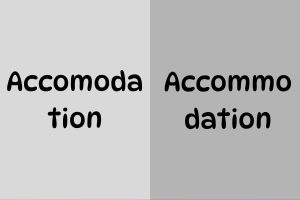
The word “accommodation” is often misspelled with one “m.”
The error stems from rushing or mishearing the word’s rhythm. The correct spelling has two “m”s and two “c”s, reflecting its Latin roots.
Practice writing it slowly to internalize the double letters.
2. Definately / Definitely

“Definitely” is frequently written with an “a” instead of an “i.” This happens because the pronunciation emphasizes the “a” sound.
The correct spelling uses “i” after the “f.” Repeat it in sentences to cement the correct form.
3. Neccessary / Necessary
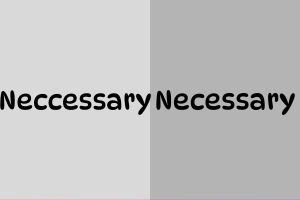
The extra “c” in “neccessary” is a common slip due to overcompensating for English’s tricky consonant patterns.
The correct spelling has one “c” and two “s”s. Write it out multiple times to reinforce the pattern.
Read this 12 Steps to Master IELTS Reading Through Online Practice
4. Seperate / Separate
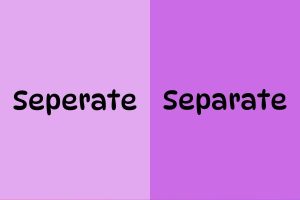
“Seperate” is a frequent error because the “a” sound dominates in speech. The correct spelling, “separate,” uses an “a” in the middle.
Visualize the word as “sep-a-rate” to avoid confusion.
5. Recieve / Receive
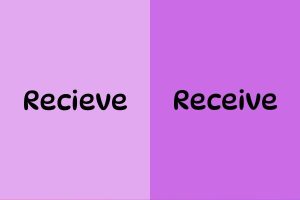
The “i before e except after c” rule trips up many with “receive.” Misspelling it as “recieve” ignores the rule after the “c.”
Practice with related words like “conceive” to master the pattern.
6. Belive / Believe
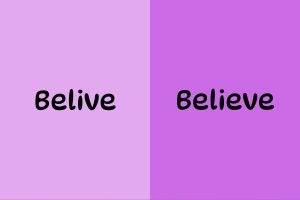
Another victim of the “i before e” rule, “believe” is often misspelled as “belive.”
The correct form places “i” before “e.” Write sentences with “believe” and “belief” to solidify the spelling.
You can also read these 20 IELTS Reading Hints For A Good Band Score to know where you need to improve.
7. Wierd / Weird
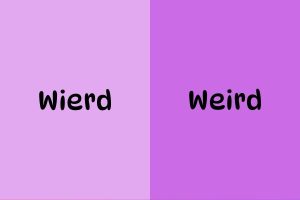
An exception to the “i before e” rule, “weird” is often misspelled as “wierd.”
The unusual order catches writers off guard. Memorize it as an outlier alongside words like “seize.”
8. Foriegn / Foreign
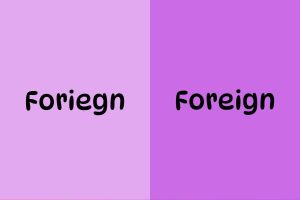
Like “weird,” “foreign” defies the “i before e” rule, leading to “foriegn.”
The correct spelling places “e” before “i.” Practice with sentences about global topics, common in IELTS essays.
9. Thier / Their
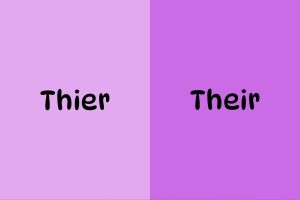
The homophone “their” is often confused with “there” or “they’re.” Misspelling it as “thier” stems from phonetic similarity.
The correct form is “their” for possession. Use it in possessive sentences to clarify.
Check out these 20 IELTS general reading strategies
10. Their / There
Often mixed with “their” or “they’re,” “there” (place or existence) is sometimes misspelled as “their.”
The correct spelling is simple but requires attention to context. Practice all three homophones together.
11. Theyre / They’re
The contraction “they’re” (they are) is misspelled as “theyre” when writers rush.
The apostrophe is key. Write out “they are” first, then contract it to reinforce the spelling.
12. Youre / Your
“Your” (possessive) is sometimes misspelled as “youre.”
The error arises from homophone confusion. Practice possessive sentences like “Your book is here.”
You can also overcome confusion in your IELTS Reading by checking for IELTS reading tips and tricks.
13. Youre / You’re
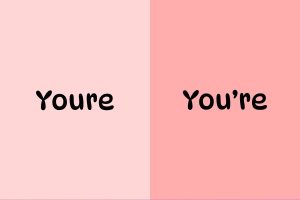
The contraction “you’re” (you are) is misspelled as “youre” without the apostrophe.
This happens under time pressure. Write it as “you are” first to ensure accuracy.
14. Childrens / Children
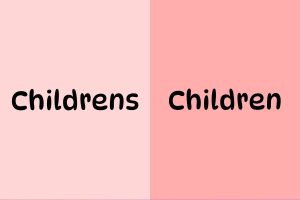
The plural “children” is often misspelled with an extra “s” as “childrens.”
The correct form is already plural. Practice with sentences like “Children learn quickly.”
15. Its’ / Its
Confused with “it’s,” the possessive “its” is sometimes misspelled as “its’.”
The correct form omits the apostrophe. Use it in sentences like “The dog wagged its tail.”
16. Its / It’s
The contraction “it’s” (it is) is misspelled as “its” when writers forget the apostrophe.
Clarify by expanding to “it is” during practice to avoid confusion.
17. Analisis / Analysis
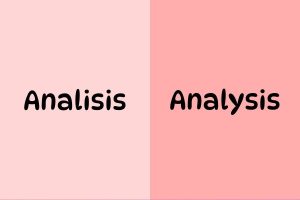
The academic word “analysis” is misspelled as “analisis” due to phonetic spelling.
The correct form uses “y” and “s.” Practice its plural, “analyses,” too.
18. Analysies / Analyses
The plural of “analysis” is often misspelled as “analysies.”
The correct form, “analyses,” changes the ending. Use it in academic sentences to reinforce the spelling.
Writing “analysies” in place of “analyses” in IELTS exam can cost you your mark, hence you should research on these 20 ways to pass IELTS exam with high score.
19. Phenomenon / Phenomenon
This academic word is sometimes misspelled as “phenomenan.”
The correct form ends in “-on.” Practice its plural, “phenomena,” to master both forms.
20. Phenomenas / Phenomena
The plural “phenomena” is misspelled as “phenomenas” when writers apply regular plural rules.
The correct form is phenomena. Use it in sentences about trends or events.
21. Goverment / Government
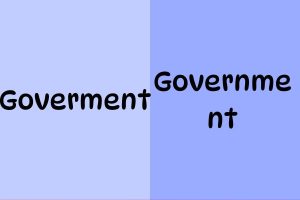
The silent “n” in “government” is often omitted, resulting in “goverment.”
The correct spelling includes the “n.” Write it out slowly to catch the silent letter.
22. Enviroment / Environment
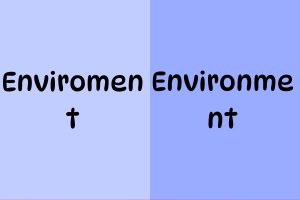
Another silent letter victim, “environment” is misspelled as “enviroment” without the “n.”
The correct form is key in essays about sustainability. Practice it in context.
You can also decide to increase your knowledge by also going through the Top 12 Cambridge IELTS tips.
23. Occured / Occurred
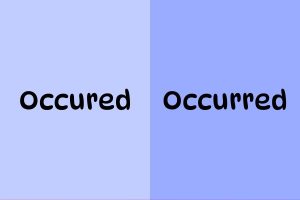
The double “r” in “occurred” is often reduced to one, especially under time pressure.
The correct spelling doubles both “c” and “r.” Repeat it in past-tense sentences.
24. Refered / Referred

Like “occurred,” “referred” is misspelled with one “r” as “refered.”
The correct form doubles the “r.” Practice with related words like “referring.”
25. Organize/Organise
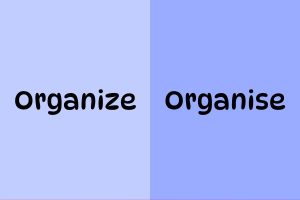
Mixing British (“organise”) and American (“organize”) spellings signals inconsistency.
Choose one and stick to it. Practice with a consistent style throughout your essay.
26. Color/Colour
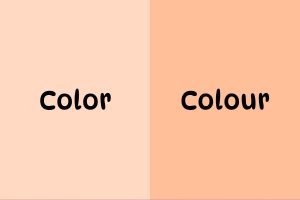
Similar to “organize,” mixing “color” (American) and “colour” (British) confuses examiners.
Pick one style and use it consistently in your writing.
27. Acheive / Achieve
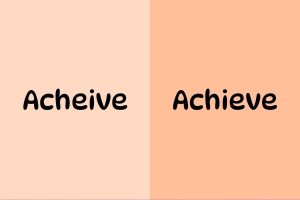
The “i before e” rule is missed in “acheive.”
The correct spelling, “achieve,” is common in IELTS essays about success. Write it repeatedly to internalize.
28. Benifit / Benefit
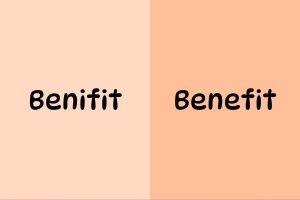
“Benefit” is misspelled as “benifit” due to phonetic spelling.
The correct form uses “e.” Practice with sentences about advantages or gains.
29. Catagory / Category
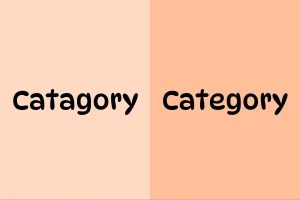
The word “category” is often misspelled as “catagory” because of its pronunciation.
The correct spelling uses “e.” Use it in essays about classification.
30. Opportunitiy / Opportunity

Extra letters creep into “opportunity” as “opportunitiy.”
The correct form has two “p”s and one “t.” Practice with sentences about possibilities.
You can also research these 15 top verbal reasoning tips and tricks.
31. Knowlege / Knowledge
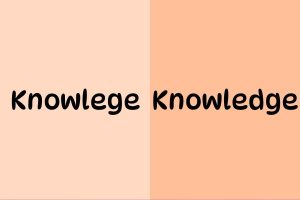
“Knowledge” is misspelled as “knowlege” by omitting the “d.”
The correct form is academic and frequent in IELTS. Write it in sentences about education.
32. Sucess / Success
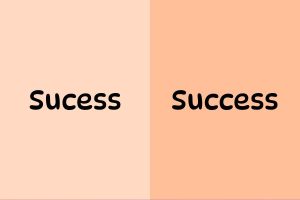
The double “c” and “s” in “success” are often reduced, resulting in “sucess.”
The correct spelling is vital for essays about achievement. Repeat it in practice.
33. Arguement / Argument
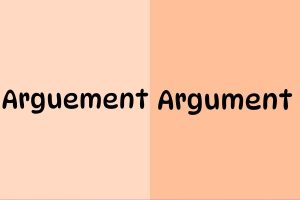
“Argument” is misspelled as “arguement” with an extra “e.”
The correct form omits it. Use it in essays about debates or opinions.
34. Independant / Independent
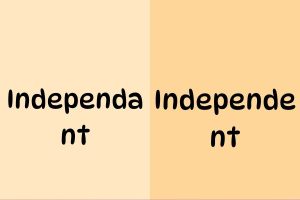
The word “independent” is misspelled as “independant” due to phonetic confusion.
The correct form uses “-ent.” Practice with sentences about autonomy.
35. Buisness / Business
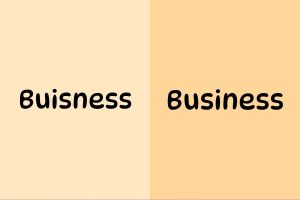
“Business” is often misspelled as “buisness,” swapping “s” and “i.”
The correct spelling is key in essays about economics. Write it out to reinforce.
Check out: 15 Yes No & Not Given IELTS Tips You Should Know.
36. Convinient / Convenient
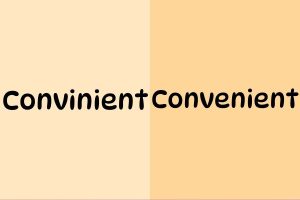
The word “convenient” is misspelled as “convinient” due to pronunciation.
The correct form uses “e.” Practice with sentences about ease or benefits.
37. Developement / Development
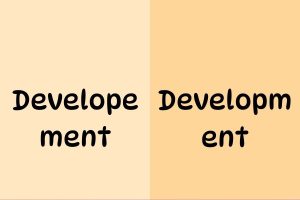
“Development” is misspelled as “developement” with an extra “e.”
The correct form is common in IELTS topics like progress. Use it in context.
38. Existance / Existence
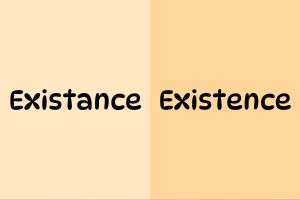
The word “existence” is misspelled as “existance” by swapping “e” and “i.”
The correct spelling is crucial for philosophical essays. Practice it carefully.
39. Familar / Familiar
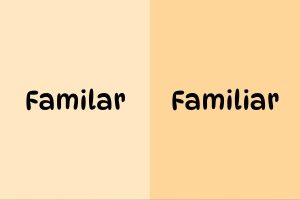
“Familiar” is misspelled as “familar” by omitting the “i.”
The correct form is used in essays about common knowledge. Write it in sentences.
40. Greatful / Grateful
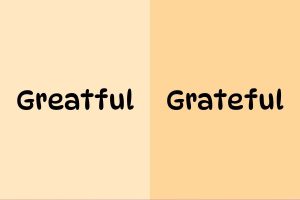
The word “grateful” is misspelled as “greatful,” confusing it with “great.”
The correct spelling uses “-ate.” Practice with sentences about appreciation.
Read: 6 IELTS Reading Tips For True False Not Given .
41. Happend / Happened
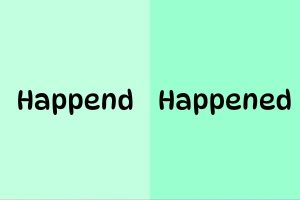
“Happened” is misspelled as “happend” with one “p.”
The correct form doubles the “p.” Use it in past-tense narratives.
42. Intresting / Interesting
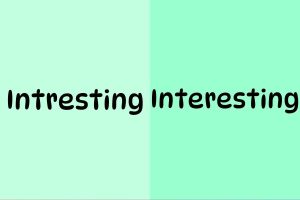
The word “interesting” is misspelled as “intresting” by swapping “e” and “r.”
The correct spelling is common in descriptive essays. Repeat it in practice.
43. Maintanance / Maintenance
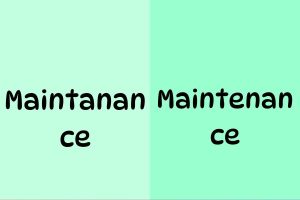
“Maintenance” is misspelled as “maintanance” due to phonetic confusion.
The correct form uses “-ten-.” Practice with sentences about upkeep.
44. Prefferred / Preferred
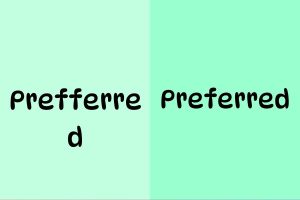
The word “preferred” is misspelled with extra letters as “prefferred.”
The correct form has one “f” and two “r”s. Write it in choice-based sentences.
45. Reccomend / Recommend

“Recommend” is misspelled as “reccomend” with an extra “c.”
The correct form has one “c” and two “m”s. Practice with advice-related sentences.
Read: 15 True False Not Given Practice Lessons.
46. Relavant / Relevant
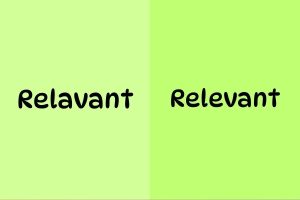
The word “relevant” is misspelled as “relavant” due to pronunciation.
The correct spelling uses “e.” Use it in essays about importance.
47. Succesful / Successful

“Successful” is misspelled as “succesful” by omitting a “c” or “s.”
The correct form is key for achievement-focused essays. Repeat it in practice.
48. Tommorow / Tomorrow
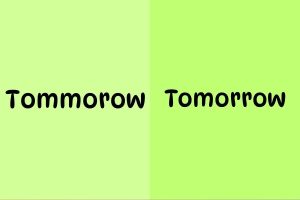
The word “tomorrow” is misspelled as “tommorow” with extra letters.
The correct form has one “m” and two “r”s. Write it in future-tense sentences.
49. Untill / Until
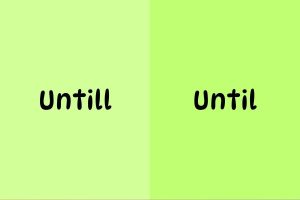
“Until” is misspelled as “untill” with an extra “l.” The correct form has one “l.”
Practice with sentences about time or duration.
50. Wether / Whether
The word “whether” is misspelled as “wether,” confusing it with weather.
The correct spelling is used for choices. Practice with conditional sentences.
The pressure of the IELTS can make spelling errors feel like personal setbacks.
You’ve poured your heart into preparing, and a misspelled word can sting.
But these mistakes don’t define you, they’re opportunities to grow.
Check out other 50 common IELTS writing mistakes and solutions to gain more knowledge.
Tips to help you spell correctly:
1. Keep an “error journal” to track and correct your misspellings, turning weaknesses into strengths.
2 .Read your essays aloud to catch errors your eyes might miss, and practice writing under timed conditions to mimic the exam.
3. Surround yourself with English through books, articles, or subtitled shows to make correct spellings second nature.
4. Celebrate every correct word as a victory, knowing each step brings you closer to your goal.
Wrap Up
Conquering these 50 common spelling errors is a significant leap toward achieving IELTS success.
Each correction you make enhances your writing, clarifying your thoughts and boosting your confidence.
By grasping the reasons behind these mistakes, whether they stem from pronunciation issues, hurrying, or the peculiarities of English, you can address them effectively.
Approach your practice with intention, view your mistakes as valuable lessons, and allow your writing to showcase the brilliance of your ambitions.
Remember, the IELTS isn’t merely an exam; it’s an opportunity to demonstrate your true potential.
Keep honing your words, and let them guide you toward your aspirations.