20 Profitable Farming Ideas You Can Try
The farm you are imagining may not look like the kind of farm you grew up seeing.
You do not necessarily need hundreds of acres of land, expensive machinery, or years of farming experience before you can start making money from agriculture.
Sometimes, a small piece of land, a carefully chosen farming idea, and the willingness to learn can become the beginning of a profitable business.
A young woman once started growing vegetables behind her house because she wanted to reduce the amount of money she spent buying food.
At first, it was simply something small she did whenever she had free time.
But as neighbours began asking to buy her fresh vegetables, she realised there was a business opportunity right in front of her.
What started as a few beds of vegetables gradually became a source of income.
Her story is a reminder that profitable farming does not always begin with a huge investment.
It can begin with identifying what people around you need and finding a practical way to provide it.
Agriculture remains one of those industries where food will always have a market.
People need vegetables, fruits, eggs, meat, fish, grains and other agricultural products every day.
However, not every type of farming will be suitable for everyone.
Your available capital, location, land size, access to water, market demand and the amount of time you can dedicate to the business all matter.
If you have been thinking about entering agriculture but do not know where to begin, there are many options worth considering.
From crops that can be grown on a small piece of land to livestock and other specialised agricultural businesses, you can choose an idea that matches your resources and goals.
In this post, you will discover 20 profitable farming ideas you can try, including options suitable for beginners and people who want to start small and gradually expand.
1. Poultry Farming
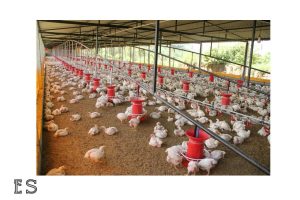
Poultry farming is one of the agricultural businesses you can consider if you want to make money from raising birds.
You can focus on broiler farming, where you raise chickens mainly for meat, or layer farming, where you keep birds for egg production.
Both can provide opportunities, but they require different management approaches.
Broilers are usually raised for a shorter period before they are sold, while layers require a longer period of care before they begin producing eggs.
You can start with a small number of birds and increase your flock as you gain experience.
One thing you should understand before entering poultry farming is that the cost of feeding the birds can have a major effect on your profit.
You also need to consider vaccination, medication, clean water, proper housing, ventilation, heating for young chicks and protection from predators.
Poor hygiene can also encourage diseases and lead to high mortality.
This is why you should not simply watch someone selling eggs or chickens and assume the business is easy.
Spend time learning from an experienced poultry farmer, visit a farm if possible and understand the common problems beginners face.
Your market is equally important. Before investing heavily in birds, think about who will buy from you when the birds are ready.
You could sell to households, restaurants, food vendors, hotels, retailers or individual customers.
If you are keeping layers, you may have regular customers who buy eggs weekly or daily.
Starting small gives you the opportunity to understand your feeding expenses, mortality rate, selling price and actual profit before putting more money into the business.
2. Fish Farming
Fish farming is another business idea you can consider if you have access to suitable space and a reliable water supply.
Catfish farming, for example, can involve raising young fish until they reach a marketable size and then selling them to consumers, restaurants, hotels, food vendors and fish sellers.
You can use different types of ponds depending on your available space and budget, but the important thing is to understand the management system before stocking your pond.
Following Key Farming Tips for Beginners, a new farmer needs to learn about water quality, stocking density, feeding, fish health and pond maintenance.
One of the mistakes you should avoid is putting too many fish into a pond simply because you want to make more money.
Overcrowding can affect growth and water quality, while poor feeding can result in slow growth and increased production costs.
It is also important to learn how to identify unhealthy fish early so that you can take appropriate action instead of waiting until the problem becomes serious.
You should also think about your customers before starting. Restaurants, hotels, pepper-soup
sellers, fish sellers and households can become potential buyers depending on your location.
If you already know where you can sell your fish, it becomes easier to plan your production cycle.
You can begin with a small pond, learn how the business works and keep proper records of how much you spend on fingerlings, feed, water, labour and transportation.
This will help you determine whether the business is genuinely profitable for you.
3. Vegetable Farming
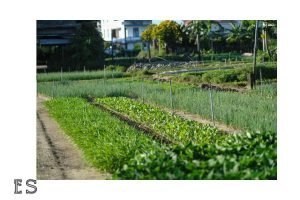
Vegetable farming can be a good option for someone who wants to enter crop production without necessarily starting with a massive farm.
Depending on your location and the available growing conditions, you could consider vegetables such as tomatoes, pepper, spinach, waterleaf, cucumber and other crops that have demand in your area.
Some vegetables can also be grown in smaller spaces using containers, sacks, raised beds or other suitable methods.
However, growing vegetables is not just about putting seeds into the soil and waiting for harvest.
You need to understand the type of soil required, watering, spacing, fertilizer, weed control, pests and diseases.
You should also learn about the appropriate planting period for the crop you choose.
A farmer who understands these factors has a better chance of producing healthy vegetables than someone who simply starts planting without preparation.
Before choosing what to grow, study the market around you.
Find out which vegetables people buy frequently and where they buy them. You could sell directly to households, restaurants, food vendors, retailers or market traders.
If you are close to a busy urban area, you may also have an opportunity to supply fresh vegetables to customers who want convenience.
Your goal should be to produce something that already has demand rather than growing a crop first and only looking for customers after harvest.
4. Snail Farming
Snail farming is an agricultural business that can appeal to people who do not have enough land for large-scale livestock farming.
Snails can be raised in specially prepared pens or suitable enclosed spaces where they are protected from predators and harsh environmental conditions.
With proper management, a small snail farm can gradually grow as the snails reproduce and the farmer gains more experience.
Although snails do not require the same type of feeding system as poultry or some other livestock, they still need proper care.
You need to understand their feeding requirements, moisture levels, breeding, housing and protection from ants, rodents and other predators.
The environment must also be managed properly because unsuitable conditions can affect their growth and reproduction.
This is why learning from someone who already has a functioning snail farm can be extremely useful before you spend money on equipment or stock.
The market should also influence your decision.
Find out whether there are people in your area who regularly buy snails and whether restaurants, hotels, food vendors or individual consumers could become your customers.
You can also investigate the possibility of supplying mature snails to other farmers who want to start their own farms.
Starting with a manageable number allows you to learn the business without taking a huge financial risk.
5. Goat Farming
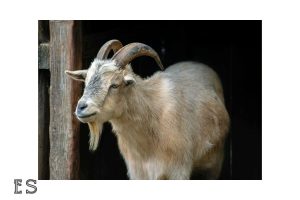
Goat farming can be another profitable livestock business, particularly in areas where there is strong demand for goat meat.
Goats are commonly purchased by households, traders, restaurants and people preparing food for celebrations and other occasions.
You can start with a small number of goats and gradually build your herd instead of purchasing many animals before you understand the business.
One of the first things you should learn is how to identify healthy goats.
You also need to understand feeding, housing, breeding, vaccination, disease prevention and general animal care.
Feeding costs can affect your profit, especially when you depend heavily on purchased feed.
Proper housing is also important because goats need a clean and safe environment that protects them from excessive rain, disease and predators.
Do not buy goats simply because you have heard that goat farming is profitable.
First investigate your local market. Find out how much healthy goats are selling for, when demand tends to increase and who the major buyers are.
If you understand both the production side and the selling side, you can make better decisions about which goats to buy, how long to keep them and when it may be appropriate to sell.
6. Sheep Farming
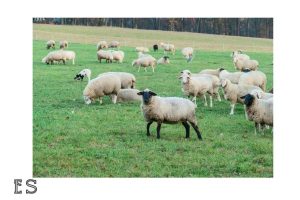
Sheep farming is another livestock opportunity you can explore.
Sheep can be raised for meat and breeding, and demand may increase during festive periods and special occasions.
You can start with a small flock and gradually expand as your animals reproduce and your understanding of sheep management improves.
A successful sheep farmer needs to pay attention to feeding, housing, breeding and healthcare.
You should learn how to recognize signs of illness and understand when professional veterinary assistance may be necessary.
Clean housing and adequate nutrition can also contribute to healthier animals.
Keeping records of your animals can help you know which ones are breeding successfully and which ones may not be performing as expected.
The selling side should not be ignored. Before starting, talk to livestock traders and potential buyers in your area.
Find out what type of sheep customers prefer, what affects their prices and how transportation will work.
You may discover that timing your sales around periods of higher demand can make a difference, although prices should never be assumed because livestock markets can change.
7. Cassava Farming
Cassava farming is another crop business you can consider, especially if you have access to suitable farmland.
As a raw agricultural product, Cassava has several uses and can be sold, or supplied to people involved in processing.
Depending on your location, you may find buyers who purchase cassava for products such as garri, flour and other food-related uses.
Before planting, you need to understand land preparation, suitable cassava varieties, spacing, planting periods, weed control and harvesting.
Labour costs can also become significant, especially if you are farming on a larger piece of land, though studying Examples Of How Australian Agriculture Makes Best Use of Digital Technology can inspire smarter ways to streamline operations and track yields.
Instead of assuming that a large farm automatically means larger profit, calculate your expected expenses and possible revenue before expanding.
Your location and access to buyers can make a major difference. If your farm is far from the people buying your cassava, transportation can reduce your profit.
This is why it is wise to investigate potential buyers before planting.
You can also consider whether selling directly to processors or traders would be more suitable for your business model.
8. Maize Farming
Maize is widely consumed and can be used for different food and agricultural purposes, making it another crop you can consider.
Depending on the variety and farming system, maize can be produced for household consumption, commercial sale or supply to businesses that use maize as part of their production.
However, you need to understand the production process before investing. Soil preparation, seed selection, planting time, fertilizer application, weed control, pest management and harvesting all affect the final yield.
Weather can also influence your results, so it is important to understand the conditions in your farming area rather than copying another farmer’s method without considering your own environment.
Your profit should be calculated after considering the full cost of production.
Include land preparation, seeds, labour, fertilizer, pest control, transportation and other expenses.
You should also investigate the selling price in your target market. A good harvest does not automatically mean good profit if your production costs are too high or you sell at a poor price.
9. Plantain Farming
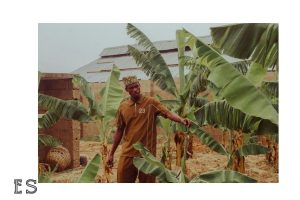
Plantain farming can be a long-term agricultural opportunity because plantains are widely consumed and can be sold to households, traders, restaurants and food vendors.
If you have access to suitable land, planting plantain can become part of a larger farm business. Some farmers also combine plantain with other crops where the farming system allows it.
You need to understand the type of soil and environmental conditions that plantain requires.
Proper spacing, weed control, soil management, pest control and regular monitoring can influence the health of the plantation.
You should also understand that plantain farming requires patience. It may not be suitable for someone looking for extremely quick returns from their first investment.
Before starting, research the market in your area. Find out how plantains are sold, who buys them and how they are transported after harvest.
You should also consider what happens when supply is high and prices fall.
Having different potential buyers can reduce your dependence on one customer and give you more options when it is time to sell.
10. Banana Farming
Banana farming is another crop-based business you can consider if the growing conditions in your area are suitable.
Bananas are consumed by households and can also be supplied to retailers and other food businesses.
Depending on the variety, farming method and market, you can develop a business around producing and selling fresh bananas.
Like other crops, banana farming requires proper planning.
You need to learn about soil preparation, planting, watering, spacing, pest and disease management and harvesting.
Do not assume that because bananas grow naturally in some places, commercial production requires no special knowledge.
Large-scale production requires careful management if you want consistent quality and good yields.
Marketing should be part of your plan from the beginning. Identify potential buyers and understand the prices they normally pay.
You should also think about transportation and how to reduce damage during handling. Producing high-quality bananas is only one part of the business; getting them to customers in good condition is equally important.
11. Mushroom Farming
Mushroom farming is an interesting option because farmers can carry it out in controlled environments without needing the large farmland that traditional crops require.
Depending on the production system, growers can cultivate mushrooms in suitable indoor or protected spaces.
This indoor approach protects yields from unpredictable weather and the many Ways Climate Change Affect Food Production, making the business worth considering for someone who has limited land but is willing to learn a specialized farming method.
However, mushroom farming requires proper technical knowledge. Temperature, humidity, cleanliness, growing materials and contamination control can affect your production.
A beginner who skips training may lose money because the growing environment has not been properly managed. Before investing in equipment or materials, take time to understand the entire production process.
You should also study the market.
Find out who buys mushrooms in your area and whether restaurants, supermarkets, hotels, food businesses or individual consumers are potential customers.
Because mushrooms may have specific storage and handling requirements, you should know how you intend to preserve and deliver them before producing large quantities.
12. Herb Farming
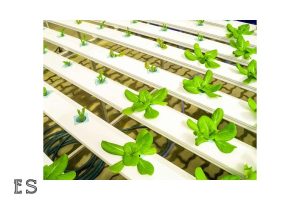
Herb farming is another option for people who want to focus on crops with specialized markets. Certain herbs may be used in cooking, food processing and other industries.
The particular herbs you choose should depend on what grows well in your environment and what buyers around you actually need.
The first step is to research the crop rather than buying seeds immediately.
Learn about the soil, planting period, watering, fertilizer, pest control and harvesting requirements. You should also determine whether the herb has a reliable market.
It is possible for a crop to be easy to grow but difficult to sell, which can leave you with products that generate little income.
You can begin on a small scale and test the market. Speak with restaurants, food businesses, retailers and other potential buyers.
If customers respond positively, you can gradually increase your production.
This approach can reduce the risk of spending a large amount of money on a crop before knowing whether there is enough demand for it.
13. Pepper Farming
Pepper farming is worth considering because pepper is an important ingredient in many Nigerian homes and food businesses.
Depending on your location, Pepper farming is one of the Profitable Farming Ideas you can try.
You can grow different varieties and sell them to households, traders, restaurants and food vendors.
You can also investigate whether there is demand for your produce outside your immediate community.
However, pepper prices can change based on the season and supply. This means you should not base your business plan entirely on today’s selling price.
Your calculations should consider possible changes in price, production costs, crop losses and transportation.
Before planting, learn about seed selection, nursery preparation where applicable, transplanting, watering, pest control and harvesting.
You should also plan what you will do with the harvest when production is high.
Having several potential buyers can help you avoid depending on a single customer when your peppers are ready.
14. Tomato Farming
Tomato farming can provide an opportunity because tomatoes are used extensively by households, restaurants, food vendors and food processors.
Demand can be strong, but the business also comes with challenges that a beginner needs to understand before investing.
Tomatoes can be affected by pests, diseases, weather conditions and poor handling.
Because they are perishable, farmers can also lose money when they harvest more than the available market can absorb.
This makes planning particularly important. You should understand the production cycle and have a strategy for selling or handling the tomatoes after harvest.
If you are considering tomato farming and want to learn How To Become A Successful Farmer, spend time learning from experienced tomato farmers..
Understand the varieties that perform well in your area and how farmers manage common production problems.
Most importantly, calculate your expected expenses before planting. Seeds, land preparation, labour, fertilizer, pest control, irrigation and transportation can all reduce your final profit.
15. Beekeeping

Beekeeping can provide an opportunity to produce honey and other bee-related products.
One interesting part of the business is that you are managing colonies rather than feeding animals in the same way you would feed poultry or goats.
However, that does not mean beekeeping requires little knowledge.
You need to learn how bees behave, where to place hives, how to protect yourself while working around the colony and how to harvest honey properly.
Beginners should not simply purchase a hive and expect bees to automatically produce a profitable amount of honey.
Training and practical guidance can make the learning process much safer and easier.
Marketing is another important part of the business.
You can explore selling honey directly to consumers, retailers, supermarkets or other businesses, depending on your location and the quality and packaging of your product.
If you want to build a recognizable brand, proper packaging, hygiene and consistent quality will matter.
16. Grasscutter Farming
Grasscutter farming is another livestock business you can consider if there is a market for the meat in your area.
It can be carried out on a smaller scale than some large livestock operations, making it interesting to beginners who have limited space.
However, you still need to understand housing, feeding, breeding, hygiene and disease prevention. The animals must be kept in suitable conditions and monitored regularly.
You should also learn how to manage reproduction so that your stock can grow without creating overcrowding or excessive feeding expenses.
Before starting, talk to people already involved in grasscutter farming and research How To Become A Successful Farmer in this niche by asking about startup costs, feeding requirements, common problems, and where they sell their animals.
This type of practical information can help you determine whether the business is actually suitable for your location and budget.
17. Pig Farming
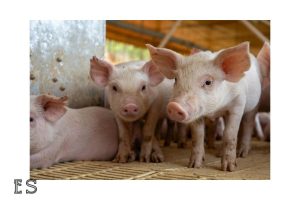
Pig farming can be profitable in areas where there is a strong market for pork and where the necessary management conditions can be maintained.
Pigs can be raised for meat or breeding, and their growth can provide opportunities for farmers who understand how to manage them properly.
The major expenses can include feed, housing, healthcare, labour and general farm maintenance.
Waste management is also something you must take seriously because keeping pigs requires proper hygiene and a suitable environment.
Before starting, learn about feeding, breeding, disease prevention and the regulations or community considerations that may apply to livestock farming in your area.
You should also confirm that there is a market for your animals before investing. Speak with pork sellers, restaurants, processors and other potential buyers.
If demand is limited in your area, you may have difficulty selling your pigs at the price you expected. A profitable farm therefore requires both good production and a reliable market.
18. Poultry Feed Production and Sales
You do not necessarily have to raise animals to benefit from the agricultural industry.
Another option, out of the many Profitable Farming Ideas, is to produce or sell livestock feed.
Poultry farmers, fish farmers and other livestock owners need feed regularly, so there can be opportunities for people who understand how to supply them.
If you want to produce feed yourself, you need proper knowledge of animal nutrition and formulation.
The wrong combination of ingredients can affect animal growth and cause problems for your customers.
You also need to understand sourcing, storage, packaging, quality control, and the specialized Food Manufacturing Processes required to turn raw agricultural inputs into safe, consistent pellets.
A simpler entry point may be becoming a feed distributor or retailer rather than immediately manufacturing your own feed.
You can purchase established products from manufacturers and sell them to farmers in your area.
As you learn more about the market, you can decide whether expanding into production makes sense.
19. Agricultural Produce Trading
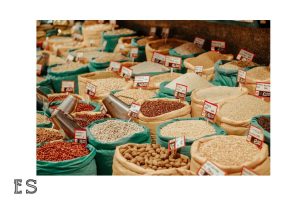
You can make money from agriculture without owning a farm by becoming an agricultural produce trader.
Instead of growing crops or raising animals yourself, you buy produce from farmers and resell it to consumers, retailers, restaurants, processors or market traders.
For example, you could focus on products such as vegetables, grains, tubers or other agricultural goods that have demand in your target market.
Your profit would come from understanding where to buy at a good price and where you can sell at a higher price after considering transportation, storage, spoilage and other expenses.
This business requires strong market knowledge. You need to understand how prices change, how to identify good-quality produce and how quickly certain products spoil. Building relationships with reliable farmers and buyers can become one of your biggest advantages.
Instead of buying blindly, study the market and begin with a small amount until you understand how the business works.
20. Farm Produce Processing
Another way to make money from agriculture is by processing farm produce instead of selling everything in its raw form.
Processing can add value to agricultural products and create opportunities for branding and packaging.
Depending on the product, this could include things such as flour, dried vegetables, spices, garri and other processed food products.
The advantage of processing is that you may be able to sell a finished product at a different price from the raw agricultural product.
However, you need to pay attention to hygiene, packaging, storage, equipment, production costs and applicable regulatory requirements.
You should also make sure that your product is something consumers actually want before investing heavily in production.
A beginner can start by choosing one product and testing it on a small scale.
Give samples to potential customers, gather feedback, find out what they are willing to pay, and explore effective Advertising Strategies for Small Businesses to get the word out.
If people like the product and the numbers make sense, you can gradually increase production.
This approach can help you avoid putting a large amount of money into a product that has little demand.
Wrap Up
The farming business you choose should not be based only on what looks profitable on social media.
A business can be profitable for another farmer and still be a poor choice for you if you do not have the right market, knowledge, capital, land, time or resources.
Before you start, learn as much as possible.
Watch practical farming videos, visit farms, speak with experienced farmers, attend training where necessary and ask questions about the real cost of production.
Do not be afraid to learn from other people’s mistakes because one lesson from an experienced farmer can save you a significant amount of money.
Most importantly, start with what you can manage. You do not have to own a massive farm before you can become a farmer.
Start small, keep accurate records of every expense and every sale, understand your customers and reinvest your profit carefully.
As your experience grows, you can expand into larger production, processing, distribution or even multiple areas of agriculture.